Last Day to Vote Is Tomorrow: Six Things to Watch as Voters Decide Control of Congress
Democrats need four seats in each chamber to take Congress, Florida's early House results could signal the night, and about 1,000 Justice Department monitors will fan out on Election Day. Reuters' six things to watch, with the Florida edge Pensacola voters will see first.
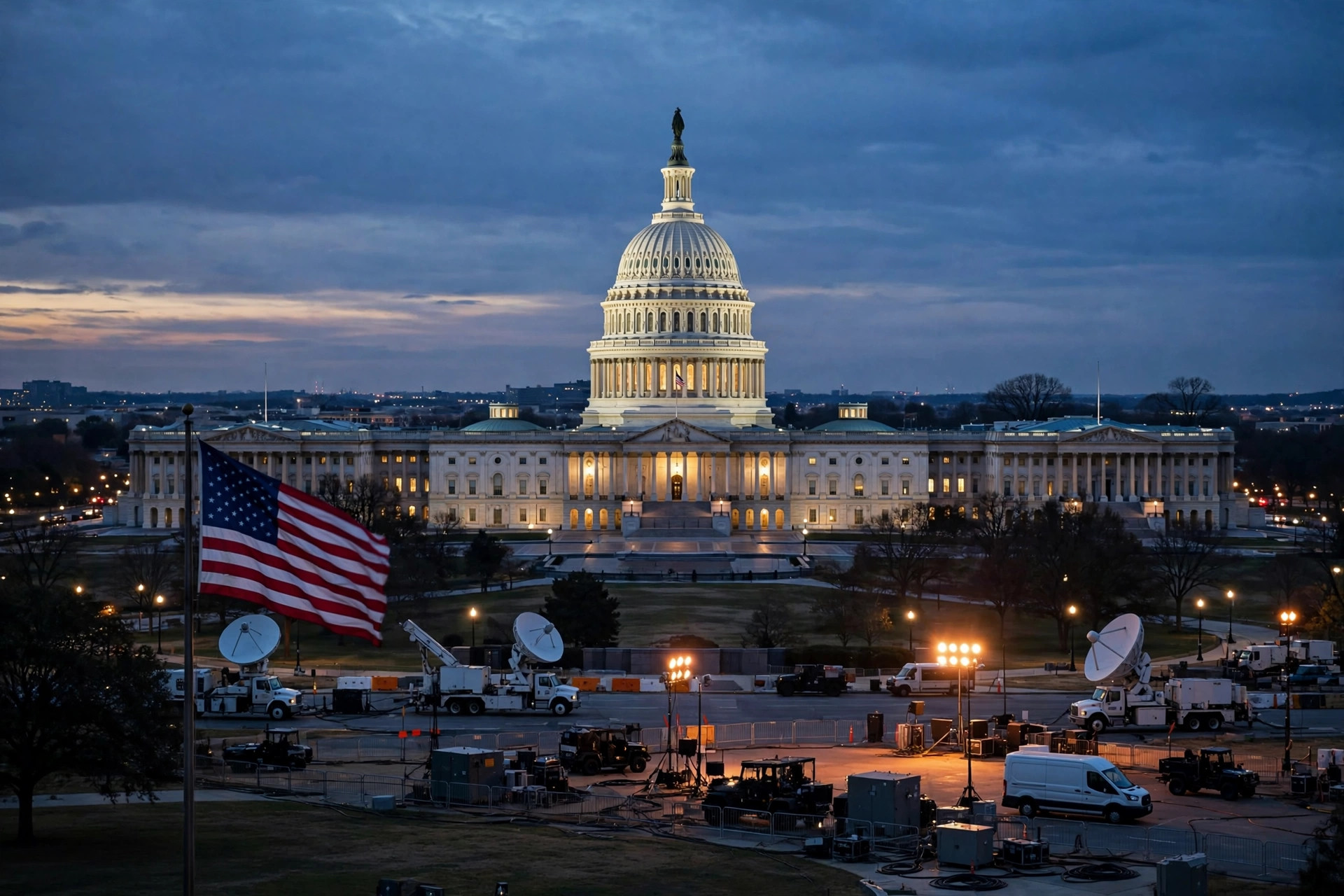
Monday is the last full day before Americans decide control of Congress. Tuesday's midterm elections will settle who holds the House and the Senate for the final two years of President Donald Trump's term, and they will serve as the first nationwide verdict on his presidency - whether voters want to check his power by giving Democrats one or both chambers, or accept the status quo despite frustrations over the cost of living and the war with Iran, according to a Reuters analysis published Monday and read in full this cycle.
The arithmetic is tight in both chambers. Democrats need a net gain of four seats in the House and four in the Senate to overturn Republican majorities of 218 to 214 and 53 to 47. Democrats are widely expected to reclaim the House, Reuters reports, but the Senate battle remains highly competitive and will likely hinge on six to eight races - Democrats need to flip several Republican-held seats in states Trump carried by double digits in 2024, including Ohio, Iowa, Alaska and Texas, while Kansas, despite Trump's 16-point win there, has become competitive in recent weeks. For Pensacola, the first clues will be close to home: early results from Republican-held House seats in Florida and Virginia could provide the earliest signal of the size of any Democratic gains.
The mechanics of the night carry their own watch list. Election officials have warned that close races could spark disputes over eligibility, counting and certification, and Trump's Justice Department plans to deploy about 1,000 monitors nationwide on Election Day - roughly triple the number used in the last midterms - a move the department defends and some local officials worry could intimidate voters. Money is the last of the six: Republicans held a significant financial advantage, Trump spent more than $277 million, mostly through his MAGA Inc. super PAC, on a late television and direct-mail blitz, according to Federal Election Commission data cited by Reuters, and Elon Musk spent roughly $366 million during the cycle to support Republican candidates. Whether that advantage outweighed voter concerns over prices and the Iran war is one of the questions Tuesday will answer - starting at 7 a.m. in Escambia County's assigned precincts.